
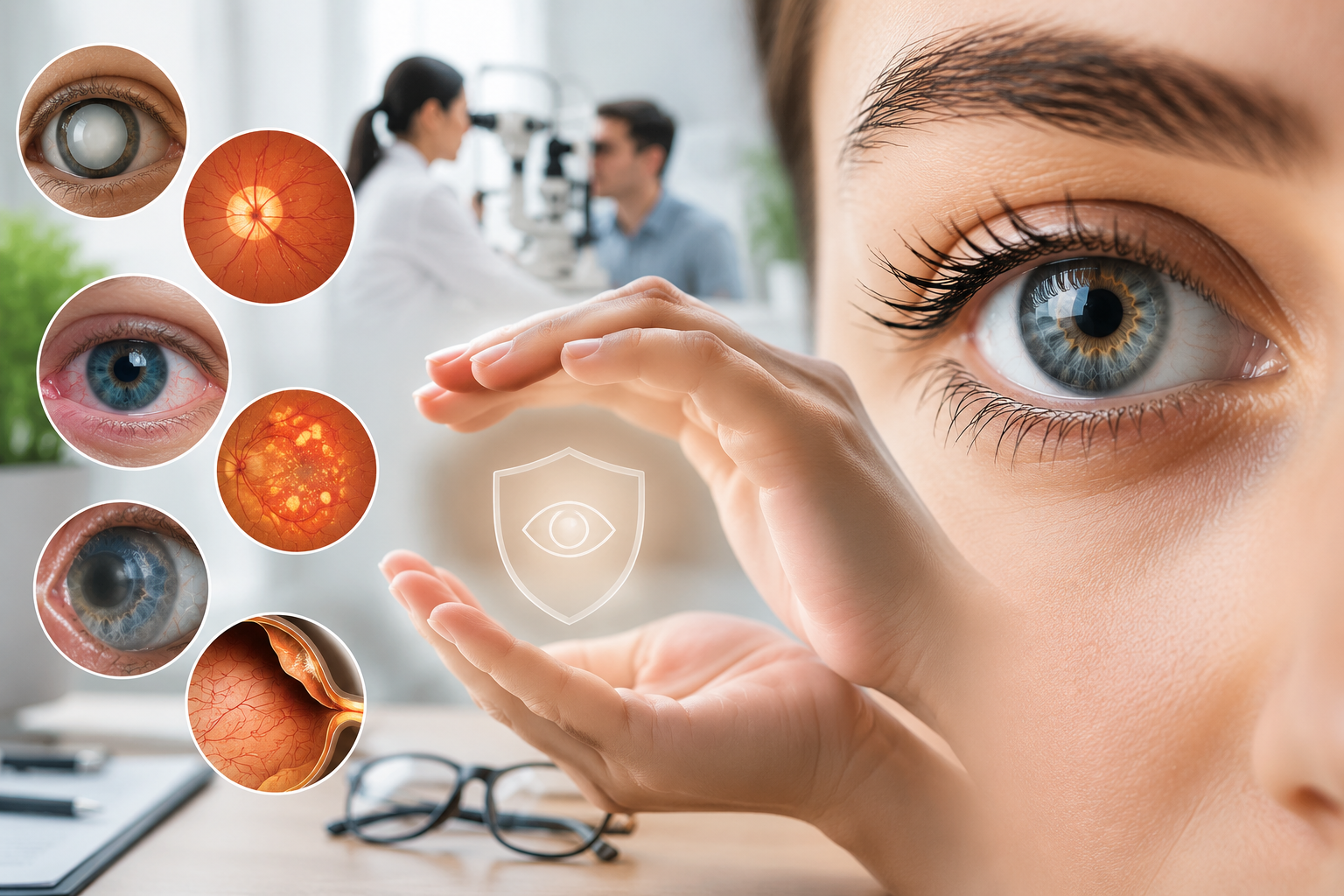
Losing your eyesight is one of the biggest fears many people have. The good news is that a large percentage of blindness can be prevented or treated if eye conditions are diagnosed early. Unfortunately, many eye diseases develop slowly without causing pain or noticeable symptoms in their early stages. By the time vision changes become obvious, permanent damage may already have occurred.
According to the World Health Organization (WHO), millions of people worldwide live with vision impairment that could have been prevented or treated with timely medical care.
The key to protecting your eyesight is understanding the diseases that can lead to blindness, recognizing early warning signs, and scheduling regular eye examinations.
Is Blindness Always Permanent?
Not necessarily.
Blindness can be classified into two types:
Preventable Blindness
This occurs when vision loss can be avoided through:
- Regular eye checkups
- Early diagnosis
- Lifestyle changes
- Timely treatment
Treatable Blindness
Some eye conditions already affecting vision can still be treated successfully through medication, laser procedures, or surgery.
The earlier treatment begins, the better the chances of preserving eyesight.
Eye Diseases That Can Lead to Vision Loss
1. Cataracts
Cataracts are among the leading causes of blindness worldwide. They develop when the natural lens inside the eye becomes cloudy, making vision blurry and dull.
Common Symptoms
- Blurred vision
- Difficulty seeing at night
- Sensitivity to bright lights
- Frequent changes in glasses
- Colors appearing faded
Although cataracts develop gradually, they are completely treatable through modern cataract surgery.
Early diagnosis helps determine the right time for surgery before vision significantly affects daily activities.
2. Glaucoma – The Silent Thief of Sight
Glaucoma damages the optic nerve, usually because of increased pressure inside the eye.
The biggest challenge is that glaucoma often has no symptoms in its early stages.
By the time people notice vision loss, the damage is usually permanent.
Risk Factors
- Age above 40
- Family history
- Diabetes
- High eye pressure
- Long-term steroid use
Warning Signs
In advanced stages:
- Loss of side vision
- Tunnel vision
- Eye pain (acute glaucoma)
- Halos around lights
Although lost vision cannot be restored, early treatment can prevent further damage.
3. Diabetic Retinopathy
Diabetes affects blood vessels throughout the body, including those inside the retina.
Over time, uncontrolled diabetes can damage these tiny blood vessels, causing leakage, bleeding, and retinal swelling.
Diabetic retinopathy is one of the leading causes of blindness among working-age adults.
Symptoms
Many patients notice no symptoms initially.
As the disease progresses, they may experience:
- Blurred vision
- Floaters
- Dark spots
- Difficulty reading
- Vision fluctuations
People with diabetes should undergo a comprehensive dilated eye examination every year, even if their vision seems normal.
Timely laser treatment or retinal procedures can preserve vision.
4. Retinal Detachment
A detached retina is a medical emergency.
The retina is responsible for converting light into signals sent to the brain. If it separates from its normal position, permanent blindness may occur if not treated quickly.
Emergency Warning Signs
- Sudden flashes of light
- Numerous floaters
- Curtain-like shadow across vision
- Sudden loss of vision
Never ignore these symptoms.
Immediate consultation with a retina specialist offers the best chance of restoring vision.
5. Corneal Diseases
The cornea is the transparent front layer of the eye.
Infections, injuries, inherited disorders, or severe dry eyes can damage the cornea and reduce vision.
Common Causes
- Corneal ulcers
- Keratoconus
- Eye infections
- Trauma
- Corneal scars
Depending on the condition, treatment may involve medications, specialized contact lenses, or corneal transplantation.
6. Age-Related Macular Degeneration (AMD)
AMD affects the macula—the central part of the retina responsible for detailed vision.
It mainly affects people over the age of 60.
Symptoms
- Distorted vision
- Difficulty reading
- Straight lines appearing wavy
- Dark spots in central vision
Although AMD cannot always be cured, early diagnosis and treatment help slow progression.
Why Regular Eye Checkups Matter
Many serious eye diseases—including glaucoma and diabetic retinopathy—develop silently.
Routine eye examinations help detect these conditions before permanent vision loss occurs.
Your eye examination may include:
- Vision assessment
- Eye pressure measurement
- Dilated retinal examination
- Corneal evaluation
- Lens examination
- Optic nerve assessment
These simple tests can identify diseases long before symptoms appear.
Who Should Have Regular Eye Exams?
Everyone benefits from routine eye care, but certain individuals are at higher risk and should be especially vigilant.
You should schedule regular eye checkups if you:
- Are over 40 years of age
- Have diabetes
- Have high blood pressure
- Have a family history of glaucoma
- Wear glasses or contact lenses
- Have had previous eye surgery
- Experience frequent headaches or blurred vision
Children should also undergo routine eye examinations to detect vision problems early.
Can Lifestyle Choices Reduce the Risk of Blindness?
While not every eye disease can be prevented, healthy habits can significantly lower the risk of vision loss.
Protect Your Eyes By
- Managing diabetes and blood pressure
- Eating leafy green vegetables and colourful fruits
- Wearing UV-protective sunglasses
- Avoiding smoking
- Exercising regularly
- Maintaining a healthy weight
- Using protective eyewear during sports or work
- Limiting prolonged screen exposure and following the 20-20-20 rule
Warning Signs You Should Never Ignore
Seek immediate medical attention if you notice:
- Sudden vision loss
- Flashes of light
- New floaters
- Eye pain
- Severe redness
- Double vision
- Distorted vision
- Curtain-like shadow over your vision
- Sudden blurring
Prompt treatment often makes the difference between saving and losing vision.
Protect Your Vision with Regular Eye Care
Most people visit an eye specialist only after experiencing blurred vision. However, many eye diseases begin years before symptoms become noticeable. Regular eye examinations help identify problems early, allowing treatment to start before irreversible damage occurs.
If you live in Khajaguda, Gachibowli, Nanakramguda, Kokapet, Narsingi, Manikonda, Kondapur, Hitech City, Begumpet, Secunderabad, or nearby areas of Hyderabad, scheduling routine eye checkups can play an important role in preserving your eyesight. Whether it’s a comprehensive eye examination, cataract evaluation, glaucoma screening, diabetic eye care, or retina consultation, early diagnosis remains the most effective way to reduce the risk of preventable vision loss.
At True Vision Eye Hospitals, our experienced ophthalmologists use advanced diagnostic technology to detect eye conditions early and recommend personalized treatment plans to help protect your vision for years to come.
Frequently Asked Questions
Can blindness be prevented?
Many cases of blindness can be prevented through regular eye examinations, early diagnosis, and timely treatment.
Which eye disease causes blindness without symptoms?
Glaucoma is often called the “silent thief of sight” because it usually causes no early symptoms.
Can cataracts cause blindness?
Yes. Untreated cataracts can lead to severe vision loss, but cataract surgery safely restores vision in most patients.
Does diabetes affect eyesight?
Yes. Diabetes can damage the retina, leading to diabetic retinopathy, one of the leading causes of blindness.
How often should I get my eyes checked?
Adults should have comprehensive eye examinations every 1–2 years. People with diabetes, glaucoma risk factors, or existing eye conditions may need more frequent checkups as advised by their ophthalmologist.