
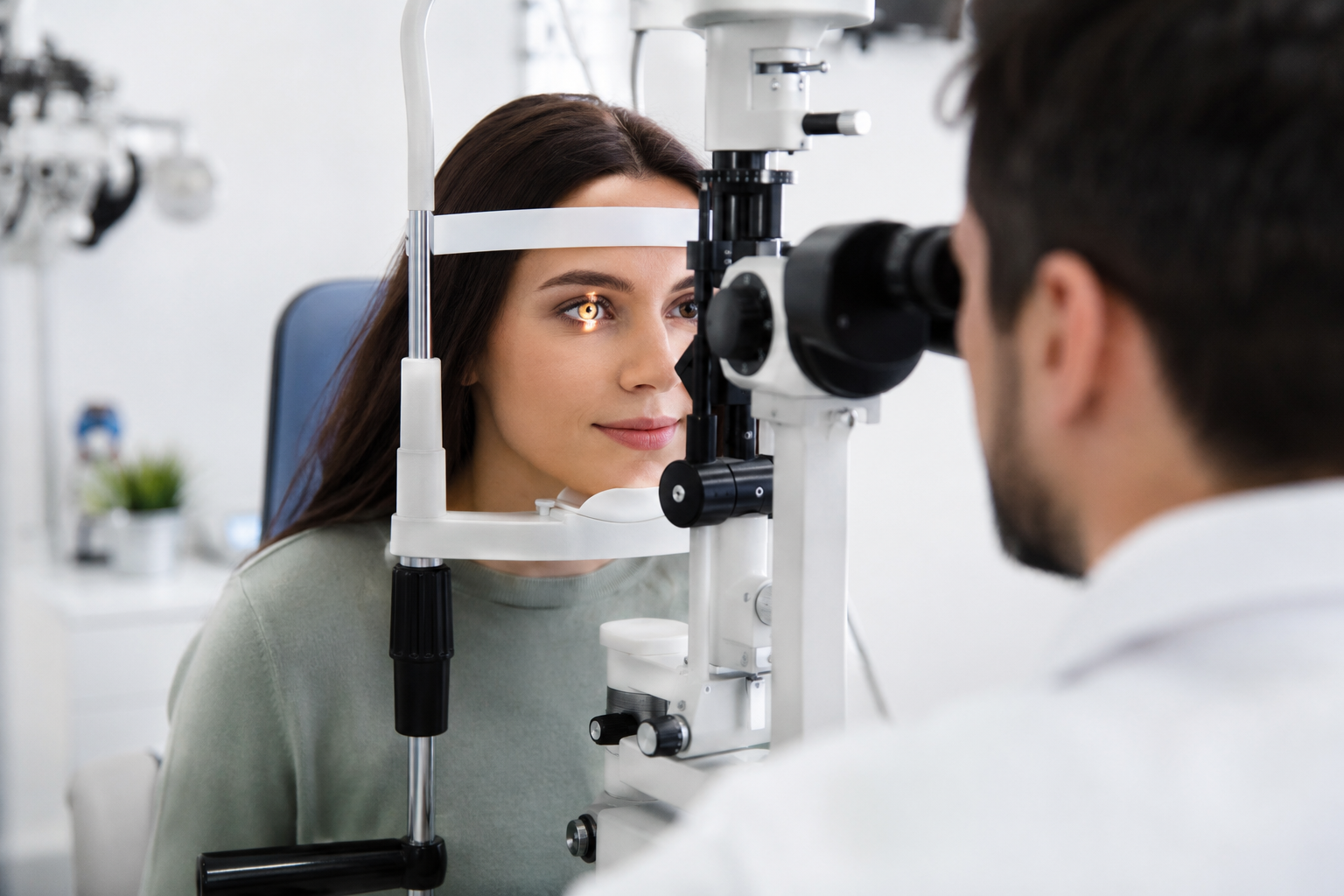
Your eyes play a vital role in your daily life, yet many people ignore early warning signs of eye problems until their vision is affected. While occasional eye strain or mild irritation may not be serious, certain symptoms should never be overlooked. Early diagnosis and treatment can help prevent long-term vision loss and protect your overall eye health.
Knowing when to seek professional eye care can help protect your vision and maintain your overall eye health. Here are some common signs that indicate it’s time to visit an eye doctor.
1. Blurred Vision
Blurred vision is one of the most common reasons people visit an eye specialist. Whether it affects one eye or both, blurry vision can indicate refractive errors, cataracts, glaucoma, retinal conditions, or other eye health concerns.
If you notice difficulty reading, driving, or focusing on objects that were previously clear, schedule an eye examination without delay.
2. Frequent Headaches
Recurring headaches can sometimes be linked to uncorrected vision problems. When your eyes work harder to focus, especially during reading, computer work, or prolonged screen usage, it can lead to eye strain and headaches.
An eye examination can help determine whether your symptoms are related to vision issues and whether corrective measures are needed.
3. Eye Pain or Discomfort
Occasional eye irritation may not be a cause for concern, but persistent eye pain should never be ignored. Eye pain can result from infections, inflammation, injuries, dry eyes, or increased pressure within the eye.
If discomfort continues for more than a day or is accompanied by redness or vision changes, consult an eye doctor promptly.
4. Flashes of Light or Sudden Floaters
Seeing flashes of light, floating spots, or shadow-like shapes in your field of vision can sometimes indicate retinal problems.
While a few floaters are common with age, a sudden increase in floaters or flashes should be evaluated immediately, as it may be a sign of a retinal tear or retinal detachment.
5. Sudden Vision Changes
Any sudden change in vision should be treated as a medical emergency. This includes partial vision loss, double vision, dark spots, or difficulty seeing from one eye.
Prompt diagnosis and treatment can significantly improve the chances of preserving vision.
6. Persistent Redness
Red eyes are often caused by allergies, lack of sleep, or minor irritation. However, persistent redness may indicate infections, inflammation, dry eye disease, or other underlying conditions that require medical attention.
If redness does not improve within a few days, it is best to seek professional advice.
7. Difficulty Seeing at Night
If driving after sunset has become more challenging or bright lights seem unusually glaring, it may indicate cataracts or other vision-related issues.
Night vision problems can affect daily activities and should be assessed during a comprehensive eye examination.
8. Sensitivity to Light
Increased sensitivity to sunlight or indoor lighting can sometimes signal infections, corneal problems, inflammation, or other eye conditions.
When light sensitivity becomes persistent or begins affecting your routine activities, it is important to have your eyes evaluated.
9. Excessive Watering or Dry Eyes
Watery eyes and dry eyes may seem like opposite problems, but both can indicate underlying eye health concerns.
Environmental factors, prolonged screen exposure, allergies, blocked tear ducts, and dry eye syndrome can all contribute to these symptoms. Early treatment can improve comfort and prevent complications.
10. Existing Health Conditions That Affect Vision
People with diabetes, hypertension, thyroid disorders, or a family history of glaucoma should undergo regular eye examinations, even if they do not notice any symptoms.
Many serious eye diseases develop silently and can only be detected through routine eye check-ups.
Why Regular Eye Check-Ups Matter
Regular eye examinations do more than determine whether you need glasses. They help detect eye diseases in their early stages, often before noticeable symptoms appear.
Conditions such as glaucoma, diabetic retinopathy, cataracts, and retinal disorders can progress without warning. Early diagnosis allows for timely treatment and better long-term outcomes.
Eye Care Awareness is More Important Than Ever
Modern lifestyles have significantly increased the amount of time people spend using digital devices. Long hours in front of computers, smartphones, and tablets can contribute to eye strain, dry eyes, headaches, and vision-related discomfort.
This is particularly common among professionals, students, and families living in rapidly growing areas such as Khajaguda, Gachibowli, Nanakramguda, Manikonda, Kokapet, Narsingi, and Hitech City. Regular eye check-ups can help identify problems early and ensure that your vision remains healthy despite increasing screen exposure.
Don’t Ignore the Warning Signs
Many people wait until their vision is severely affected before seeking treatment. Unfortunately, some eye conditions become more difficult to manage when diagnosis is delayed.
Whether you’re experiencing blurred vision, frequent headaches, redness, eye pain, flashes, floaters, or any unusual changes in your eyesight, scheduling an eye examination can help identify the cause and prevent further complications.
If you’re searching for a trusted eye hospital in Khajaguda or an experienced eye specialist near Gachibowli, Nanakramguda, Manikonda, Kokapet, Narsingi, or Hitech City, choosing a hospital that offers comprehensive eye care and advanced diagnostic services can make a significant difference in protecting your vision.
Your eyesight is invaluable. Paying attention to early warning signs and seeking timely medical care can help you enjoy clear, healthy vision for years to come.
Frequently Asked Questions
How often should I get my eyes checked?
Most adults should have a comprehensive eye examination every 1–2 years. People with diabetes, glaucoma, or other eye conditions may require more frequent check-ups as recommended by their eye doctor.
What symptoms indicate that I should see an eye doctor immediately?
Sudden vision loss, flashes of light, a sudden increase in floaters, severe eye pain, or double vision should be evaluated immediately by an eye specialist.
Can excessive screen time damage my eyes?
While screens do not permanently damage your eyes, prolonged screen use can cause digital eye strain, dry eyes, headaches, blurred vision, and neck discomfort. Regular breaks and routine eye examinations can help reduce these symptoms.
Is blurred vision always a sign that I need glasses?
Not necessarily. Blurred vision can be caused by refractive errors, cataracts, glaucoma, retinal disorders, dry eyes, or other eye conditions. A comprehensive eye examination can identify the exact cause.
Where can I get a comprehensive eye examination near Khajaguda?
If you are looking for a comprehensive eye examination near Khajaguda, Gachibowli, Nanakramguda, Manikonda, Kokapet, or Narsingi, it is important to choose an eye hospital that offers advanced diagnostic technology and experienced eye specialists for accurate diagnosis and treatment.
Concerned about your eye health?
If you are experiencing any changes in your vision, schedule a comprehensive eye examination with experienced eye specialist Dr. Satya Prasad Balki at TrueVision Eye Hospital located in Khajaguda and Begumpet. Early detection and treatment can help protect your eyesight and prevent future complications.