What is Glaucoma?
Glaucoma is an eye condition that can damage the optic nerve. This nerve sends signals from your eye to your brain. Often, glaucoma is linked to high eye pressure. However, it can also happen with normal pressure. Over time, glaucoma can lead to vision loss. In fact, it is a leading cause of blindness worldwide. Early detection and treatment are key to protecting your sight.
Symptoms of Glaucoma
Many people do not notice glaucoma symptoms at first. Usually, the disease develops slowly. But, some types can cause sudden problems. Watch for these signs:Gradual loss of side (peripheral) visionBlurred vision or seeing halos around lightsSevere eye pain (in acute cases)Redness in the eyeNausea or vomiting with eye pain
Because symptoms may be mild or absent, regular eye exams are important. Early glaucoma symptoms can be easy to miss. Therefore, do not wait for vision changes to see an eye doctor.
Causes and Risk Factors
Glaucoma often happens when fluid builds up in the eye. This increases eye pressure, which can harm the optic nerve. Still, some people get glaucoma even with normal eye pressure. Several risk factors raise your chances of developing glaucoma:Age over 40 yearsFamily history of glaucomaHigh eye pressure (ocular hypertension)Diabetes or high blood pressureThin corneasPrevious eye injury or surgeryLong-term use of steroid medicines
For example, people of African, Asian, or Hispanic descent may have a higher risk. Knowing your risk factors can help with early detection and prevention.
Diagnosis of Glaucoma
Eye doctors use several tests to diagnose glaucoma. Usually, these tests are quick and painless. Common tests include:Measuring eye pressure (tonometry)Examining the optic nerveChecking your field of visionMeasuring cornea thicknessImaging tests of the optic nerve
Because glaucoma can develop without symptoms, regular eye exams are vital. Early diagnosis gives you the best chance to protect your vision. If you live in a city with advanced eye care, such as New York or Los Angeles, you may find many options for glaucoma diagnosis and care.
Treatment Options
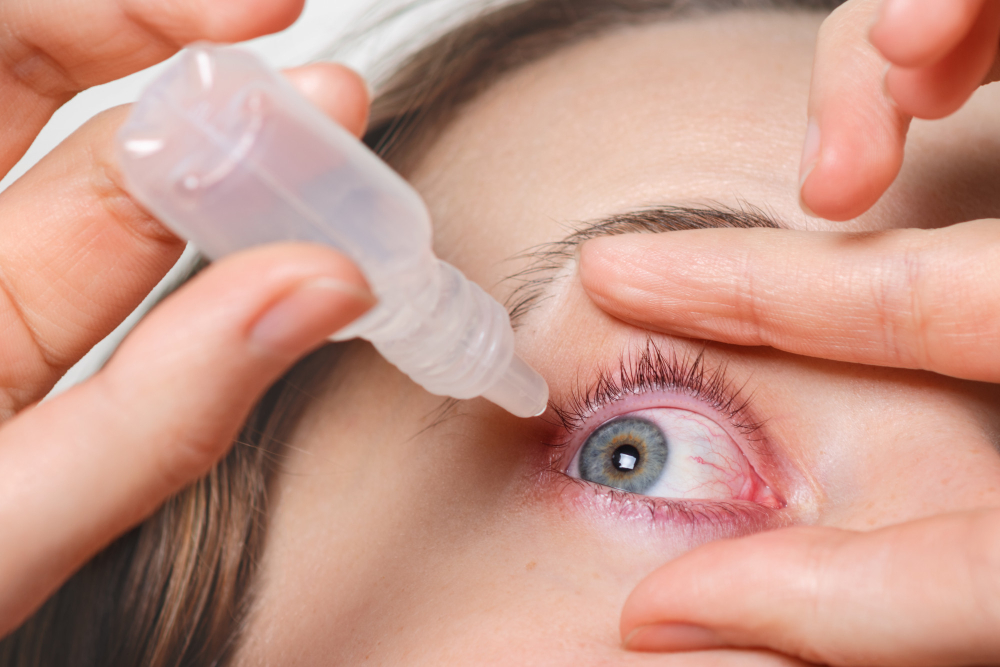
Glaucoma treatment options aim to lower eye pressure and prevent vision loss. Your doctor will choose the best plan for you. Common treatments include:Prescription eye drops to reduce eye pressureOral medicines in some casesLaser therapy to improve fluid drainageSurgery to create new drainage paths
Although treatment cannot restore lost vision, it can slow or stop further damage. Therefore, it is important to follow your doctor’s advice and take medicines as directed. If you are searching for glaucoma treatment options in your area, ask your eye specialist about the latest advances.
Lifestyle Tips and Prevention
While you cannot always prevent glaucoma, healthy habits can help protect your eyes. Try these tips:Get regular eye exams, especially if you have risk factorsManage health conditions like diabetes and high blood pressureWear eye protection during sports or risky activitiesTake prescribed eye drops as directedEat a balanced diet rich in leafy greens and fishExercise regularly, but avoid activities that raise eye pressure
In addition, talk to your doctor about any new vision changes. Preventing glaucoma is easier with early action and healthy choices.
When to See an Eye Specialist
If you notice any changes in your vision, do not wait—see an eye specialist at True Vision Eye Hospital right away. Also, make sure to schedule regular eye exams if you are over 40 or have risk factors for glaucoma. Early treatment can help protect your sight. Remember, glaucoma can be silent in its early stages, which is why regular check-ups are your best defense.
To sum up, glaucoma is a serious eye condition, but early action can make all the difference. For personalized advice on glaucoma prevention and care, consult an eye specialist at True Vision Eye Hospital today.