
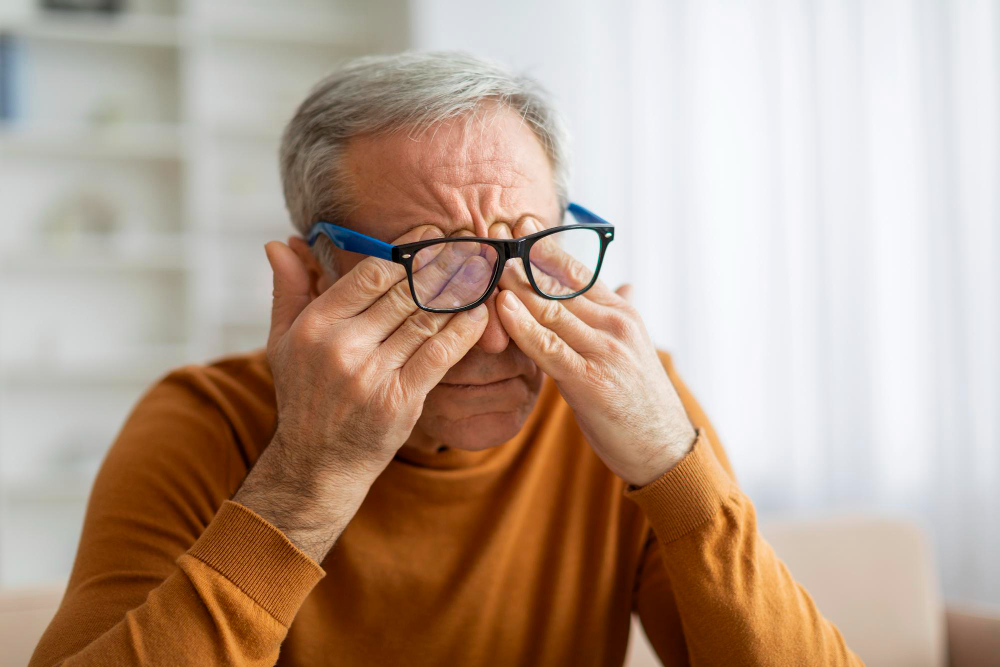
What is Dry Eye Disease?
Dry eye disease is a common condition that affects many people. It happens when your eyes do not make enough tears, or the tears dry up too quickly. As a result, your eyes may feel uncomfortable or irritated. In fact, dry eye disease can make daily tasks like reading or using a computer harder. Although it is not usually serious, it can affect your quality of life. Understanding dry eye disease can help you find relief and protect your vision.
Common Symptoms of Dry Eye Disease
Many people with dry eye disease notice changes in how their eyes feel. For example, you may experience:Stinging or burning in the eyesRedness or irritationFeeling like something is in your eyeWatery eyes (as a reaction to dryness)Blurred vision, especially after readingEye fatigue or discomfortLight sensitivity
However, symptoms can come and go. If you notice these signs often, it may be time to seek help.
Causes and Risk Factors
Dry eye disease can develop for many reasons. Some common causes and risk factors include:Aging, especially after age 50Hormonal changes, such as menopauseLong hours on screens or readingDry or windy environmentsContact lens useCertain medications (like antihistamines or blood pressure drugs)Medical conditions such as diabetes or arthritisEye surgery or injury
Because these factors can add up, it is important to know your risks. For example, people who spend a lot of time indoors with air conditioning may notice more symptoms.
How Dry Eye Disease is Diagnosed
Eye doctors use several methods to diagnose dry eye disease. First, they will ask about your symptoms and medical history. Next, they may examine your eyes with a special light. Sometimes, doctors use simple tests to check your tear production. For example, they might place a small strip of paper under your eyelid to measure moisture. In some cases, they use dye drops to see how quickly your tears dry up. These steps help find the best dry eye treatment options for you.
Treatment Options for Dry Eye Disease
There are many ways to manage dry eye disease. Your doctor may suggest:Artificial tears or lubricating eye dropsPrescription eye drops to reduce inflammationWarm compresses for your eyelidsSpecial plugs to block tear drainageChanging medications if possibleUsing a humidifier at home
Because each person is different, your treatment may vary. For chronic dry eyes, your doctor may combine several methods for better results.
Lifestyle Tips and Home Remedies
Simple changes can help ease dry eye symptoms. Try these tips at home:Blink often, especially when using screensTake regular breaks from reading or computer workWear sunglasses outdoors to protect your eyesKeep your home air moist with a humidifierDrink plenty of water each dayAvoid smoke and windy places when possible
Additionally, eating foods rich in omega-3 fatty acids, like fish or flaxseed, may help some people. However, always talk to your doctor before starting new supplements.
Prevention Strategies
While you may not prevent all cases, you can lower your risk of dry eye disease. Consider these steps:Limit screen time and take eye breaksUse protective eyewear in dry or windy weatherStay away from smoke and air pollutionChoose gentle, non-irritating eye makeupFollow your doctor’s advice for managing health conditions
Because prevention is easier than treatment, these habits can make a big difference.
When to See an Eye Specialist
If your eyes feel dry, sore, or irritated often, it’s wise to see an eye specialist at True Vision Eye Hospital. Additionally, if you notice changes in your vision or if over-the-counter drops do not provide relief, seek medical advice. Early care can prevent further problems and help you find the best dry eye treatment options. For those living in busy cities, many clinics, including ours, offer effective dry eye treatments. Don’t wait if your symptoms worsen or begin affecting your daily life.
In summary, dry eye disease is common but manageable. With the right care and lifestyle adjustments, you can protect your eyes and feel more comfortable. For personalized advice and treatment, consult an expert at True Vision Eye Hospital today.